
Building Energy Act (GEG) -> What it means for roofs
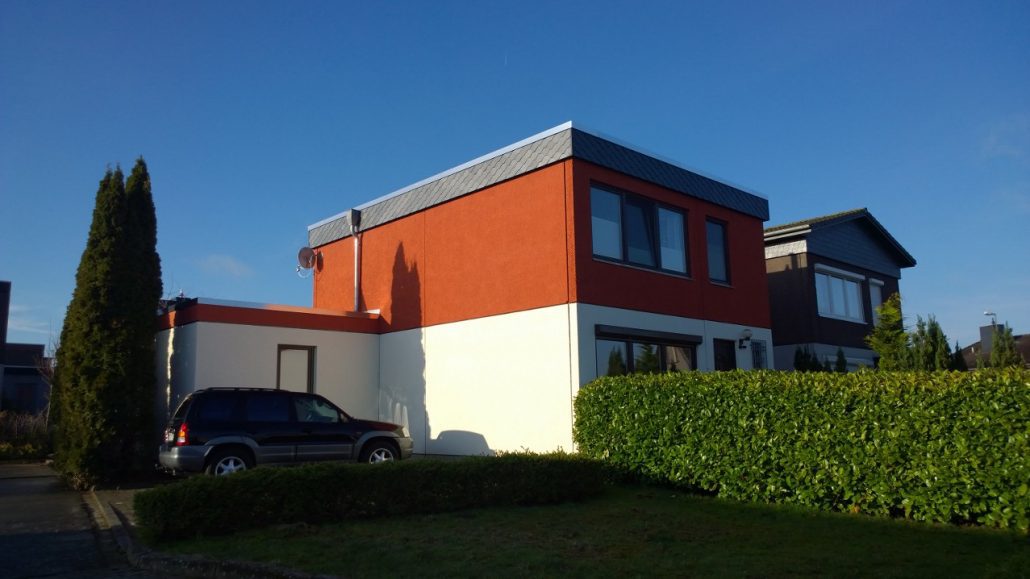
The former Energy Saving Ordinance (EnEV) was replaced by the Building Energy Act (GEG) on November 1, 2020. The GEG consolidates the energy-related requirements for buildings and regulates, among other things, the level of thermal insulation that roofs, exterior walls, and other building components must achieve.
For the roofing trade this is particularly relevant, because a poorly insulated roof can result in significant heat loss. When a roof is renovated, re-roofed, or upgraded to improve its energy efficiency, the GEG requirements must also be taken into account, depending on the scope of the work.
What does this mean for roofs in practice?
For existing buildings, the GEG stipulates under certain conditions that the top-floor ceiling or, alternatively, the roof above it must be sufficiently insulated . For the top-floor ceiling, the law generally specifies a maximum heat transfer coefficient—known as the U-value—of 0.24 W/(m²·K).
The GEG can also apply to roof renovations: If exterior building components such as roof surfaces are refurbished or replaced, the affected areas must meet certain energy-efficiency requirements. An important exception applies to minor repairs: If no more than ten percent of the area of the relevant building component is modified, these requirements generally do not apply.
Roofers have long done more than just keep roofs watertight
Modern roofing work combines weather protection, thermal insulation, and energy efficiency. Depending on the building and renovation goals, options include:
- Insulation between rafters
- Insulation beneath rafters
- Insulation above rafters
- Insulation of the top-floor ceiling
- Energy-efficiency upgrades to roof surfaces and roof windows
- Preparation for and installation of photovoltaic or solar thermal systems
If you are already planning to replace the roof covering, it is a good idea to check the roof’s energy performance at the same time. Good insulation reduces heat loss in winter, provides better protection from heat in summer, and can permanently lower the building’s energy consumption.
The GEG does not only apply to heating systems. It also explicitly sets energy-efficiency standards for roofs, windows, and insulated exterior walls . Measures to insulate the roof may also qualify for funding under the Federal Funding for Efficient Buildings program.
For homeowners, this means: If you want to renovate your roof, you should discuss more than just roof tiles, waterproofing, or appearance. Energy-efficiency requirements should be part of the conversation from the outset.
A professional roofing contractor can assess what work is required and how roof renovation, insulation, and, where appropriate, solar technology can be sensibly combined.
Have questions about this? -> Please feel free to contact us.





Hinterlasse einen Kommentar
An der Diskussion beteiligen?Hinterlassen Sie uns Ihren Kommentar!