
Renovating a pitched roof and saving energy: what matters
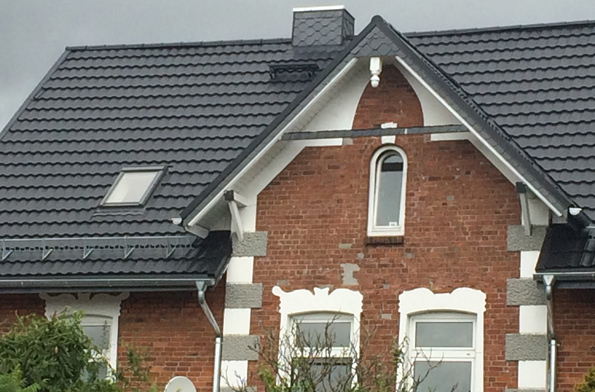
A pitched roof has to withstand a lot over the decades: rain, storms, snow, frost, heat, and significant temperature fluctuations. At the same time, the roof plays an important role in a building’s energy efficiency. If the insulation is outdated, incomplete, or inadequately dimensioned, an unnecessary amount of heat can be lost through the roof.
So if roof renovation is already due, it is worth not only replacing the roof covering, but also checking the energy performance of the entire roof structure .
Combining roof renovation and thermal insulation effectively
Depending on the building’s condition and construction, various measures may be appropriate. These include, for example, improving or replacing the insulation, optimizing the roof structure, and properly finishing joints and transitions.
Details matter, especially in these areas: good insulation alone is not enough if thermal bridges form or moisture can enter the structure. That is why we consider the roof as a complete system.
For more extensive renovations, the requirements of the Building Energy Act (GEG) must also be taken into account.
Good insulation helps in winter—and in summer
An energy-optimized pitched roof not only reduces heat loss during the heating season. Properly installed insulation also improves summer heat protection. Attics can heat up considerably in strong sunlight—especially when roof surfaces are poorly or inadequately insulated.
A modern roof structure therefore helps create a more comfortable indoor climate all year round.
Choosing the right roof covering is part of the solution
Alongside insulation and the substructure, the roof covering also determines the quality, durability, and appearance of a pitched roof.
Among other products, we install quality roof tiles from Nelskamp and Braas. As a specialist partner, we can select different shapes, colors, and materials to suit the building and its technical requirements.
It is not just about appearance: the roof pitch, exposure to the elements, substructure, and existing roof structure all need to work together.
Inspect first, then renovate
Not every older roof needs to be completely replaced. That is why we first assess which measures are actually appropriate and necessary.
When a renovation is due, we assess, among other things:
- Condition of the existing roof covering
- Roof structure and existing insulation
- Potential energy inefficiencies
- Joints, penetrations, and transitions
- Options for new or improved insulation
- Suitable roof tiles and materials
The result is not a one-size-fits-all renovation, but a solution that suits the building, the existing roof, and the owners’ requirements.
A good roof protects buildings and saves energy
An energy-optimized pitched roof serves several purposes: it reliably protects the house from wind and weather, helps reduce heat loss, and improves living comfort.
If you are already planning to replace your roof or have it extensively repaired, take the opportunity to have its energy performance checked at the same time. After all, a roof is built to last for decades—so when renovating, it makes sense to think not only about today, but also about the years ahead.
Do you have any questions? -> Please feel free to contact us.
Text: AI GENERATED




Hinterlasse einen Kommentar
An der Diskussion beteiligen?Hinterlassen Sie uns Ihren Kommentar!